
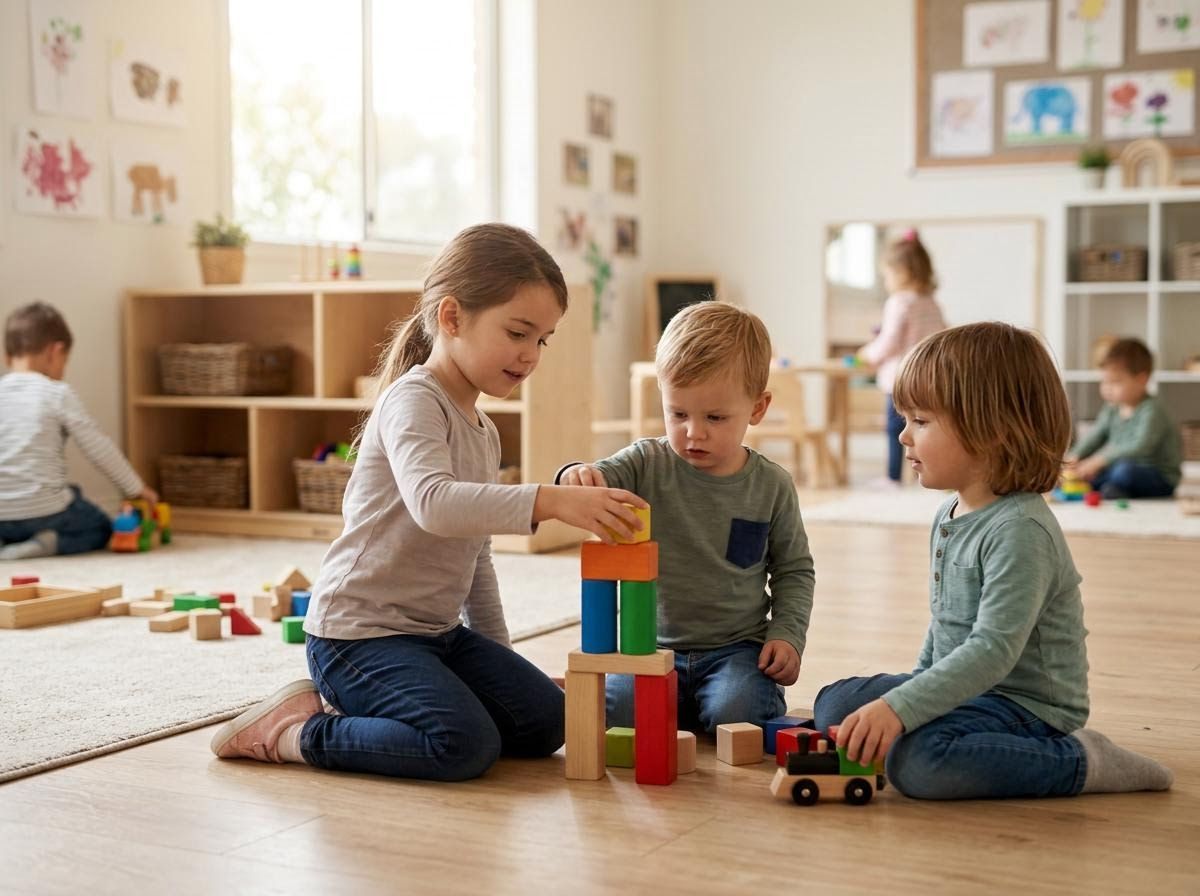
At GVI Preschools, we understand that a child's early education is not just about academics, but also about building a strong foundation for social and emotional growth. One powerful approach that naturally cultivates these crucial skills is the mixed-age preschool classroom. This dynamic setting brings together children of varying ages, creating a unique community where learning flourishes through diverse interactions and shared experiences.
Fostering Empathy and Nurturing Behaviors
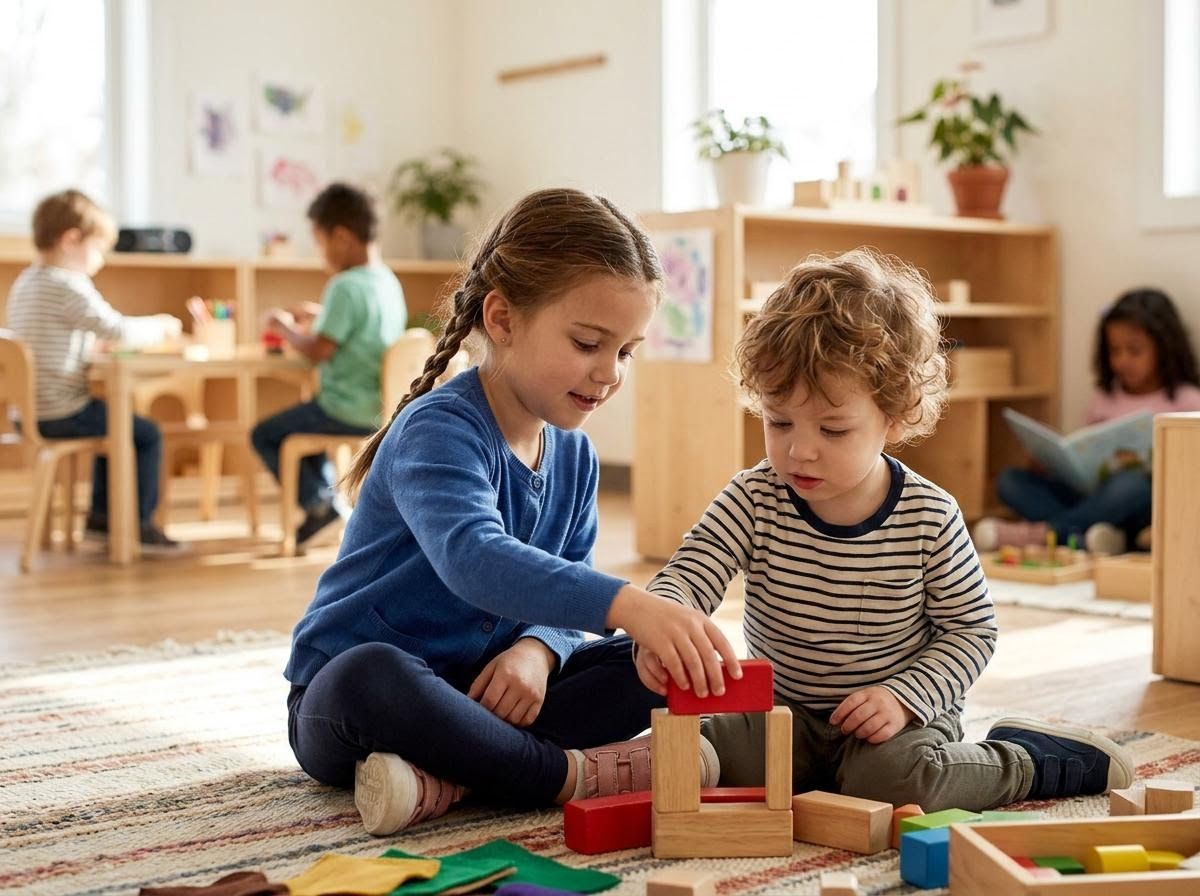
In a mixed-age classroom, older children often naturally assume roles as mentors and caregivers to their younger classmates. This dynamic encourages the development of profound empathy as older children learn to anticipate needs, offer help, and demonstrate patience. They practice leadership skills, responsibility, and the joy of helping others succeed, which are invaluable life lessons. Conversely, younger children benefit from having older, more experienced peers to look up to and learn from, creating a supportive and interconnected social structure.
Enhanced Social Skills and Communication
The diverse developmental stages present in a mixed-age group provide a rich environment for refining social skills and communication. Children learn to adapt their language and interaction styles to suit different ages and abilities. They engage in more complex cooperative play, negotiate roles, share resources, and resolve conflicts with a broader range of perspectives. This constant practice in understanding and interacting with others who are both similar and different from themselves builds strong interpersonal foundations and adaptability.
Reduced Competition and Increased Confidence
Unlike same-age groups where children might constantly compare themselves to peers at a similar developmental stage, mixed-age classrooms often reduce competitive pressures. Each child can develop at their own pace without feeling the need to "keep up." Younger children gain confidence by successfully participating in activities with older peers, while older children feel a sense of accomplishment and self-worth by guiding and teaching. This environment fosters a sense of belonging and competence for every child, reinforcing positive self-esteem.
Learning Through Observation and Imitation
Younger children are naturally adept at learning through observation. In a mixed-age setting, they are exposed to more advanced language, problem-solving techniques, and play scenarios exhibited by older children. This exposure can accelerate their own development in areas like vocabulary, cognitive skills, and imaginative play. For instance, a younger child might learn how to build a complex structure or engage in more sophisticated pretend play by watching and imitating an older peer, often stretching beyond what they might attempt in a strictly same-age group.
Embracing the rich social tapestry of a mixed-age environment can significantly enhance a child's early learning journey, fostering a compassionate and capable future. At GVI Preschools, we believe in creating environments that nurture every aspect of a child's development, laying the groundwork for lifelong social and emotional well-being. To learn more about our nurturing educational approaches and how we support each child's unique development, explore our curriculum and program offerings.