
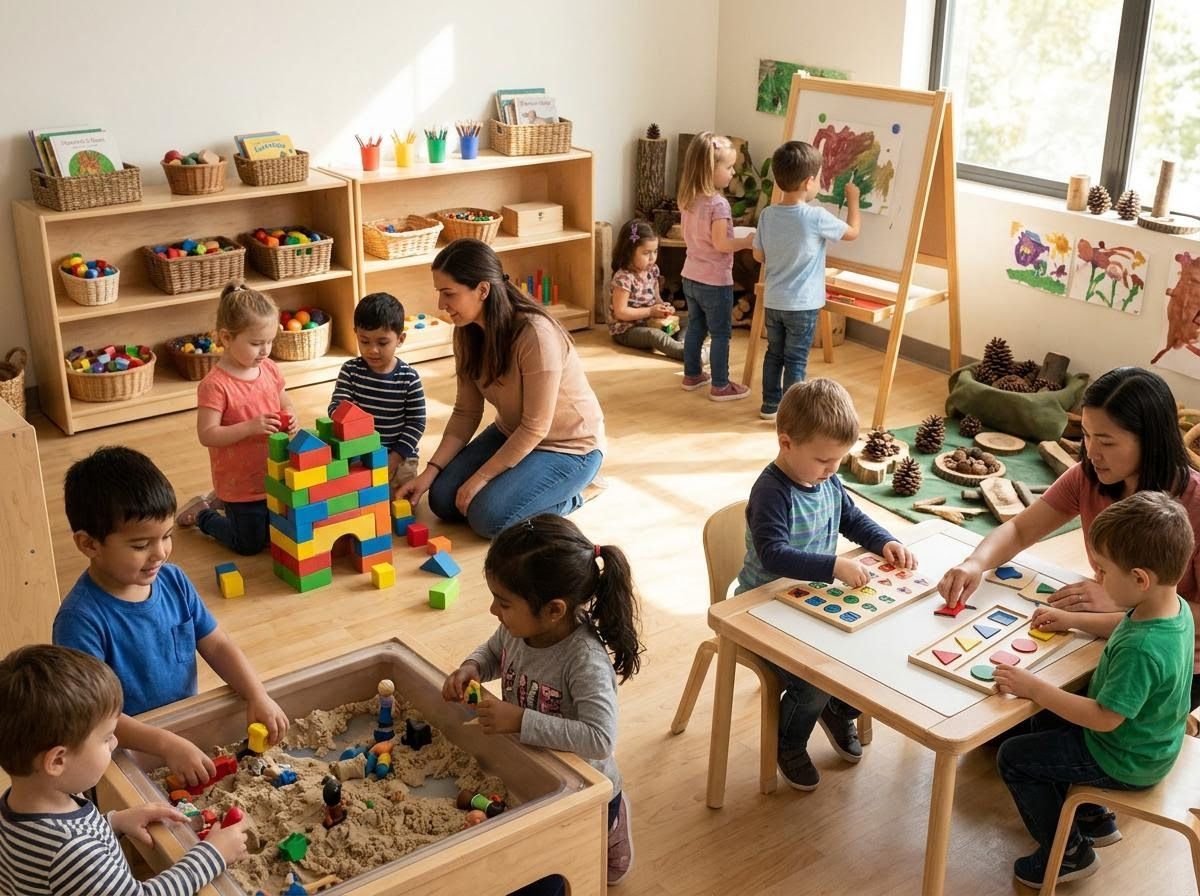
Navigating the world of early childhood education can feel overwhelming, with many options available to support your child's growth and development. Understanding the various types of preschool programs is crucial for making an informed decision that best suits your child's unique personality and learning style. At GVI Preschools, we believe that understanding these differences is the first step toward finding a nurturing environment where your little one can thrive. This guide will help you explore the distinct philosophies and approaches commonly found in preschool education.
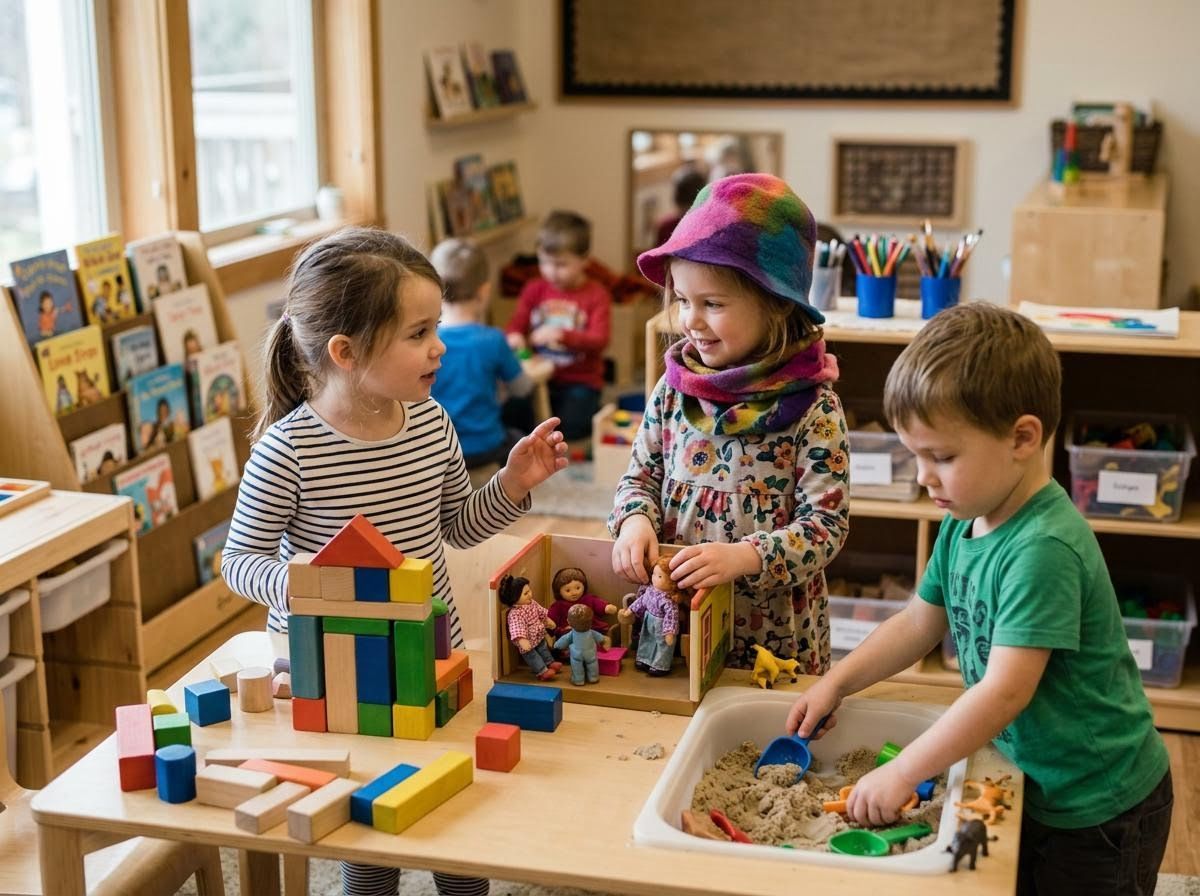
Play-Based Learning Programs
Play-based preschool programs center on the belief that children learn best through active engagement and exploration. In these environments, children are encouraged to choose activities that pique their interest, whether it's building with blocks, engaging in dramatic play, creating art, or exploring sensory bins. Educators act as facilitators, observing children's play to understand their interests and guide them towards new discoveries, rather than directing specific tasks. This approach is highly effective in fostering social-emotional skills, problem-solving abilities, creativity, and language development, as children negotiate, cooperate, and express themselves naturally through self-directed play.
Structured and Academic-Focused Programs
For families seeking a more structured environment, academic-focused preschools, including those inspired by methodologies like Montessori, offer a distinct approach. Montessori programs, for instance, are characterized by specially designed materials that encourage self-correction, practical life skills, and independent learning within a prepared environment. Children often work individually or in small groups at their own pace, with educators guiding them through a sequence of activities. Other academic-focused programs may incorporate more direct instruction in early literacy, numeracy, and scientific concepts, preparing children with foundational skills for kindergarten through a more teacher-led curriculum and routine.
Child-Centered and Experiential Philosophies
Beyond play-based and academic models, some preschools embrace unique child-centered and experiential philosophies, such as Reggio Emilia or Waldorf. The Reggio Emilia approach views children as capable individuals with "100 languages" for expression; it emphasizes project-based learning, where children delve deeply into topics over time, documented through various art forms. The environment itself is considered a "third teacher." Waldorf education, conversely, prioritizes imagination, rhythm, and reverence for nature, often delaying formal academics in favor of storytelling, artistic activities, practical work, and outdoor play, aiming to develop the whole child—head, heart, and hands.
Choosing the ideal environment for your child is a significant decision, and at GVI Preschools, we are dedicated to supporting families through this journey. Each type of program offers unique benefits, and the "best" fit depends entirely on your child's temperament, your family's values, and the specific developmental goals you prioritize. We invite you to explore our approach and learn more about how we foster joyful and enriching early learning experiences for every child.